ServicesSiding
Siding Repair and Replacement in Villa Hills
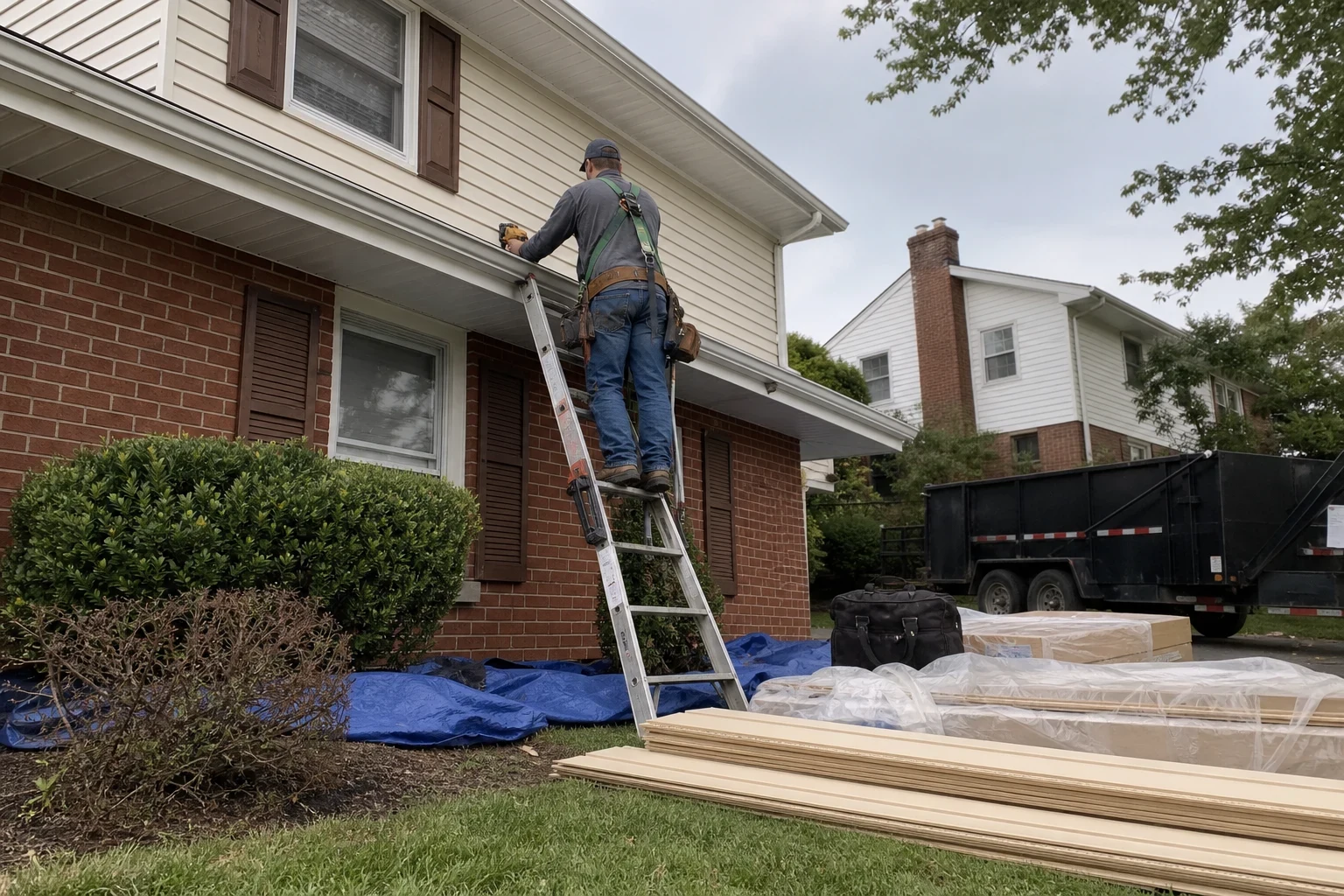
We fix and replace siding that's cracked, loose, faded or dented by hail. Before any work, we photograph the damage and walk you through what an insurance claim may need. You decide what happens next, with real information.
When Siding Needs More Than a Wash
Siding is the skin of your home. When a panel cracks or pulls loose, water gets behind it and soaks the sheathing and house wrap underneath. That damage hides for a long time. By the time you see it, there's often soft wood or mold on the other side.
We work on vinyl, aluminum and fiber cement siding. Sometimes a few panels is all it takes. Sometimes a whole wall or the whole house makes more sense, usually when the old color is discontinued or the damage is spread out. We tell you which one we see and why.
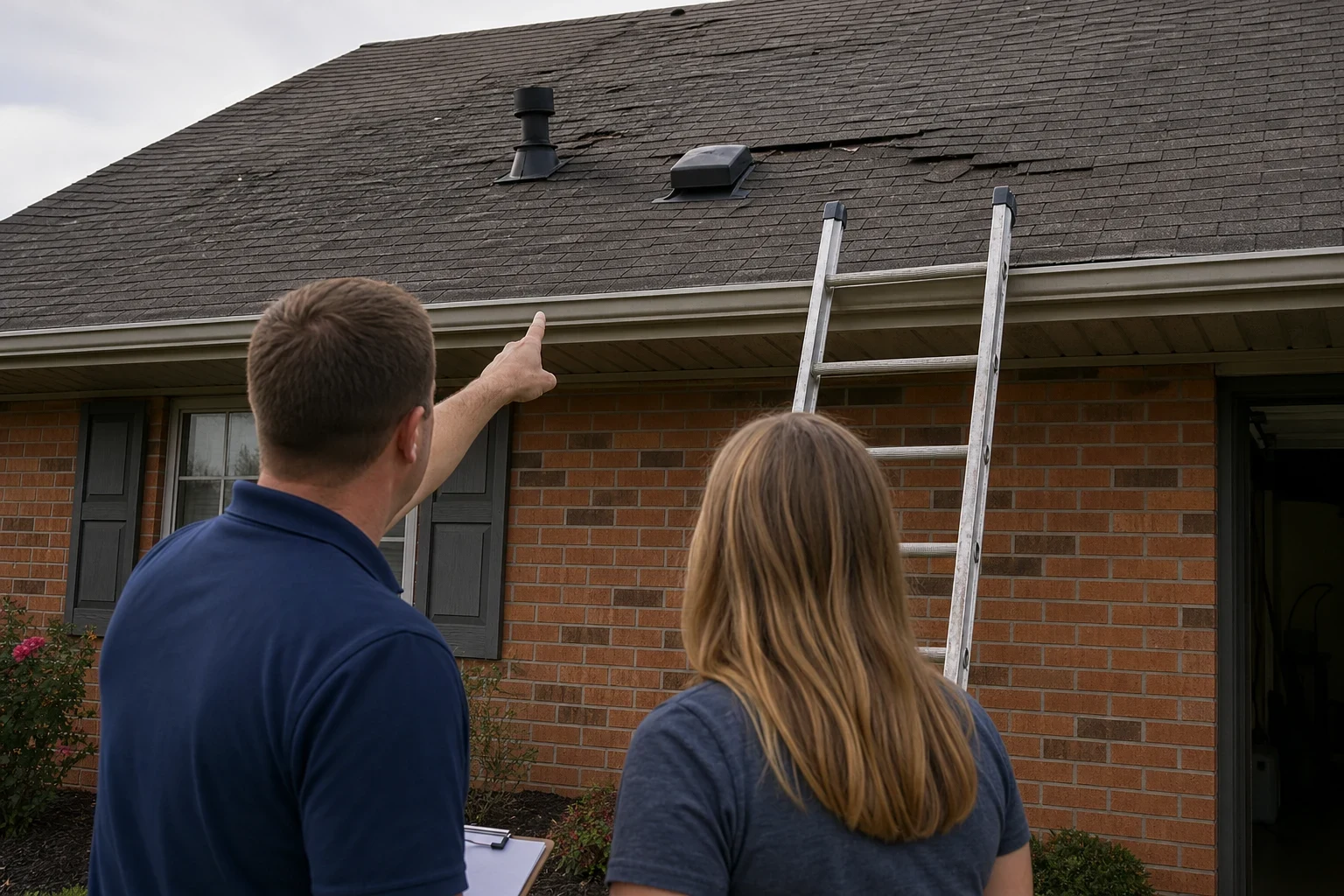
Hail and wind are the usual reasons a siding call turns into an insurance question. We document what we find, explain how the claim process generally works and let you and your adjuster handle the decisions that belong to you.
What Our Siding Work Covers
- 01
Panel repair and replacement
We pull out cracked, holed or warped panels and lock new ones into the courses above and below. Done right, the repair sits flat and doesn't rattle in the wind.
- 02
Full siding replacement
When patching won't hold or won't match, we strip the old siding, check the sheathing and put up new siding wall by wall.
- 03
House wrap and sheathing checks
With panels off, we look at the wrap and the wood behind it. Wet or rotted sheathing gets replaced before anything new goes over it, and we show you photos first.
- 04
Trim, corners and J-channel
Window trim, outside corners and J-channel are where water usually sneaks in. We reset or replace these pieces so the siding has clean edges to drain.
- 05
Damage photos for your claim
We take dated photos of each damaged wall, close up and from a distance. You get copies to keep or share with your insurance company.
Questions about Siding?
Call(859) 340-8810Signs Your Siding Needs Attention
Cracks or holes after a storm
Hail leaves round dents and punctures, mostly on the side that faced the storm. Vinyl gets brittle in cold weather and cracks easier then.
Panels that are loose or bowed
If a panel flaps in the wind or bulges out, it may have been nailed too tight or the fasteners have pulled through. Either way, water can get behind it.
Soft spots or stains inside
Peeling paint, damp drywall or a musty smell near an outside wall can point to water behind the siding.
Heavy fading on one side
Sun fades vinyl unevenly. A wall that's much lighter than the others won't match new panels well, which matters if a repair is coming.
Gaps at windows and corners
Pulled-back trim or open joints around windows let rain in. These are small fixes now and bigger ones later.
How a Siding Job Goes
- 1
We look at every wall
We walk around your home, check each side and take photos of damage, loose panels and trim problems. If a storm is the cause, we note which walls took the hit.
- 2
You get the findings in plain words
We go over the photos with you and say whether repair or replacement makes sense. If you're filing a claim, we explain what adjusters usually look for and what documents help.
- 3
We set a date and order material
We match color and profile as close as we can and tell you up front if an exact match isn't available. We also check whether your city needs a permit for the job.
- 4
Work day and cleanup
We protect plants and walkways, remove the old siding and install the new. At the end of each day we pick up scraps and sweep for nails so your yard is safe to walk.
What Moves the Price of Siding Work
Every siding job is priced on what your house actually needs. We give you the estimate in writing, line by line. If we find rotted sheathing once panels come off, we stop and show you before doing any extra work.
- How much wall is involved
- A few panels costs far less than a full side or a whole house. Height matters too, since second-story walls take more setup.
- Type of siding
- Vinyl, aluminum and fiber cement each cost different amounts and install differently. Fiber cement is heavier and takes more labor.
- Matching the old color
- If your color or profile is no longer made, a repair may mean redoing a full wall so it doesn't look patched.
- What's behind the panels
- Wet sheathing, missing house wrap or rotted trim adds material and time. We can't know for sure until panels are off, so we explain this before starting.
Siding Questions We Hear
Will my insurance pay for hail damage to my siding?
It depends on your policy, your deductible and what the adjuster finds. We can't promise a claim will be approved. What we can do is photograph the damage, explain what we see and be there to point it out if the adjuster visits.
Can you match my existing siding?
Often, yes, but not always. Vinyl colors get discontinued and older panels fade. We bring samples, hold them against your wall and tell you honestly how close the match is before you decide.
Should I repair or replace my siding?
If the damage is in a few spots and the color still matches, repair usually makes sense. If damage is on several walls, or water has gotten behind it widely, replacement may be the better use of your money. We'll explain our reasoning either way.
Can you look at my roof and gutters at the same visit?
Yes. Storms that dent siding often hit the roof and gutters too. We can check all of it at once and include roof inspections and gutters in the same set of photos, which helps if you're filing one claim.
Does siding work make a mess?
There's some noise and debris while old panels come off. We cover plants near the walls, keep walkways clear and sweep for nails and scraps before we leave each day.
Have Us Look at Your Siding
We'll check every wall, photograph what we find and explain your options with no pressure. Ask about our Limited Time — $50 Off Your First Service Call.